
Dispatch & Call Center · Ohio Medicaid NEMT
NEMT Call Center & Dispatch in Ohio
Ohio dispatch means juggling two clocks and several portals: county NET routine trips book further ahead than broker trips, and each managed care plan books through its own broker. We run the whole desk (booking windows, multiple broker portals, standing orders, and same-day changes) as remote back-office support for Ohio NEMT providers, so every trip is confirmed in the right system on time.
The whole Ohio dispatch desk, one team
SS Support Network is an independent billing, credentialing, and support service provider - not affiliated with, endorsed by, sponsored by, or partnered with MTM, Access2Care, Modivcare, any Medicaid broker, or any state Medicaid agency. All broker names and trademarks belong to their respective owners. We are a remote back-office team that dispatches and handles calls on behalf of Ohio transportation providers who contract to run these Medicaid trips.
Quick Answer
An NEMT call center in Ohio is a remote dispatch and call-handling desk that has to hold several booking systems straight at once, because roughly nine in ten of Ohio's three-million-plus Medicaid members are in managed care and each plan books NEMT through its own broker (Access2Care, MTM, or Modivcare) while the rest run through the 88 County DJFS Non-Emergency Transportation (NET) programs. Those two routes carry different booking windows, since county NET routine trips generally need more lead time than broker trips, so the desk tracks the window that applies to each member, books in the right portal, keeps standing orders synced, and adjusts as plans drop prior authorization for routine NEMT. SS Support Network runs that desk for Ohio providers, routing across Cleveland, Columbus, Cincinnati, and the rural counties between them without adding a local dispatch payroll. It works under your own logins and is an independent service, not affiliated with or endorsed by MTM, Access2Care, or Modivcare.
The short answer
What does an NEMT call center do for Ohio providers?
Ohio dispatch is harder than a single-broker state because the desk has to hold several things straight at once. Roughly nine in ten Medicaid members are in managed care, and Ohio covers more than three million enrollees per KFF Medicaid state fact sheets (2025). Each plan books its NEMT through a broker: Access2Care, MTM, or Modivcare depending on the plan. The rest run through the 88 County DJFS Non-Emergency Transportation (NET) programs. Those two routes have different booking windows, since county NET routine trips generally need more lead time than broker trips, and the broker side is spread across multiple portals. On top of that, prior-authorization rules are shifting as plans drop prior auth for routine NEMT. A good dispatch desk keeps the windows, the portals, and the rule changes straight so trips are booked correctly and the fleet runs a tight day. This page walks through how we run it.
Step 1
How far ahead do I have to book NEMT trips in Ohio?
Every trip in Ohio belongs to one of two clocks, and booking against the wrong one gets it rejected as late. County NET routine trips generally need more advance notice (around three business days is commonly cited), while broker trips for managed care members typically run on a shorter window, around two days. These are general guidance figures; each broker and county sets its own rule, so we confirm the current window with the specific broker or county NET program. Our desk takes the trip request, identifies the member's route, and books inside the correct window, so standing orders and new bookings land on time instead of bouncing back for late notice.
Step 2
Which broker portal do I use to book a trip in Ohio?
The managed care side is not one system. It is several. Buckeye, Aetna Better Health, Anthem, and Humana MyCare book through Access2Care; Molina and AmeriHealth Caritas book through MTM; CareSource uses MTM and Access2Care; and Modivcare runs its own portal. A fleet running members across several plans is logging into several portals, and that is where standing orders get missed. We handle all of them from one desk: check each member's plan and broker, book in the right portal, and keep standing orders synced so recurring dialysis and treatment trips do not drop. MTM's move to the MTM Link platform, with the Molina transition cited for February 5, 2026, is a portal change we track so booking continues through the cutover.
Step 3
Prior-auth changes and the trip-flow impact
Ohio plans are moving away from prior authorization for routine NEMT. Molina has been cited as dropping it effective October 1, 2025, and other plans have signaled similar moves. That is good news for speed, but it changes the dispatch job: when the front-end auth check disappears, correct booking and clean trip documentation carry more of the weight, because there is no authorization step catching a bad trip before it runs. Prior-auth rules change often and vary by plan, so we confirm the current requirement with each broker or plan and adjust the booking workflow as it changes, so your desk is never running yesterday's process on today's rule.
Step 4
Can you dispatch across Cleveland, Columbus, and Cincinnati from one desk?
Booking is only half the job. The day still has to run. Ohio's volume concentrates around Cleveland, Columbus, and Cincinnati, with rural counties in between, and the desk has to sequence drivers, handle will-calls and return trips, manage no-shows with proof, and absorb same-day changes without blowing up the schedule. We route across all three metros and the counties between them from one remote desk, keep drivers moving in a sensible order, and document each leg against the right broker or county NET record so the trips that ran are the trips that can be billed. You get metro-wide dispatch coverage without adding a local dispatch payroll.
Booked, then paid
Dispatch runs the day: billing and credentialing keep it whole
Dispatch keeps the trips moving, but the trips only turn into revenue when they are documented and billed to the right broker or OMES, and the fleet only stays eligible when credentialing and contracts stay current. We run all three from one remote back-office team, so a trip that is booked correctly is also a trip that gets paid and stays compliant.
How it works
Three steps to a dispatch desk that runs itself
- 1
Free dispatch review
We look at your trip volume, the plans and counties you serve, and where bookings are slipping, and map the broker portals and windows that apply. Written plan within 1 business day.
- 2
We take the desk
We run trip intake, book each trip in the right broker portal or county NET path inside its window, and keep standing orders synced, with call handling and dispatch under your own name.
- 3
The day runs tight
Drivers sequenced across Cleveland, Columbus, and Cincinnati, will-calls and no-shows handled with proof, same-day changes absorbed, and every leg documented for billing.
Common questions
Ohio NEMT dispatch, answered straight
It depends on the route, and mixing the two up is how trips get denied. County DJFS Non-Emergency Transportation (NET) routine trips generally need more advance notice (around three business days is commonly cited), while broker trips for managed care members typically run on a shorter window, around two days. These are general guidance figures, and each broker and county sets its own rule, so confirm the current booking window with the specific broker or county NET program. Our dispatch desk tracks the window that applies to each member and books inside it so standing orders and new trips are not rejected as late.
It follows the member's plan. Buckeye, Aetna Better Health, Anthem, and Humana MyCare route through Access2Care; Molina and AmeriHealth Caritas route through MTM; CareSource uses MTM and Access2Care; and Modivcare runs its own trips. Booking a trip in the wrong portal wastes time and can miss the window. We handle the multiple broker portals from one desk, check each member's plan and broker first, and book in the right system. For the portal claim and confirmation mechanics on the billing side, see the <a href="mtm-billing.html">MTM billing</a> page.
Several are moving away from it. Molina has been cited as dropping prior authorization for routine NEMT effective October 1, 2025, and other plans have signaled similar changes. When prior auth goes away for routine trips, the trip flow gets faster but the responsibility shifts to booking correctly and documenting the trip, since the front-end check is gone. Prior-auth rules change often and vary by plan, so confirm the current requirement with each broker or plan. We adjust the booking workflow as each plan changes its rule so nothing falls between the old process and the new one.
MTM is moving to its MTM Link platform, with the Molina transition cited for February 5, 2026. A platform migration changes how trips are booked, pulled, and confirmed in the portal, so it can disrupt dispatch if the desk is not ready for it. Confirm the exact cutover date and any workflow changes with MTM and Molina. We track the migration and adjust our booking and confirmation steps around it so trips keep moving through the switch.
Yes. Ohio's trip volume concentrates around Cleveland, Columbus, and Cincinnati, and a remote dispatch desk handles routing across all three metros and the rural counties between them from one place. We manage standing orders, will-calls, and same-day changes, confirm each leg against the right broker or county NET window, and keep your drivers sequenced so the day runs tight. Because we are remote back-office support, you get the coverage without adding a local dispatch payroll.
No. SS Support Network is an independent billing, credentialing, and support service provider - not affiliated with, endorsed by, sponsored by, or partnered with MTM, Access2Care, Modivcare, any Medicaid broker, or any state Medicaid agency. All broker names and trademarks belong to their respective owners. We are a remote back-office team that dispatches and handles calls on behalf of Ohio transportation providers who contract to run these Medicaid trips.
Want us to look at where your bookings are slipping? Call +1 (657) 777-0006, 24/7.
Official references: OAC 5160-15-11 · Ohio PNM credentialing. Verify current requirements with your state Medicaid program and broker.
Related
The rest of the Ohio NEMT operation
Ohio NEMT Billing
Broker, county NET, and OMES claims, denials, and reconciliation for the trips you run.
Learn more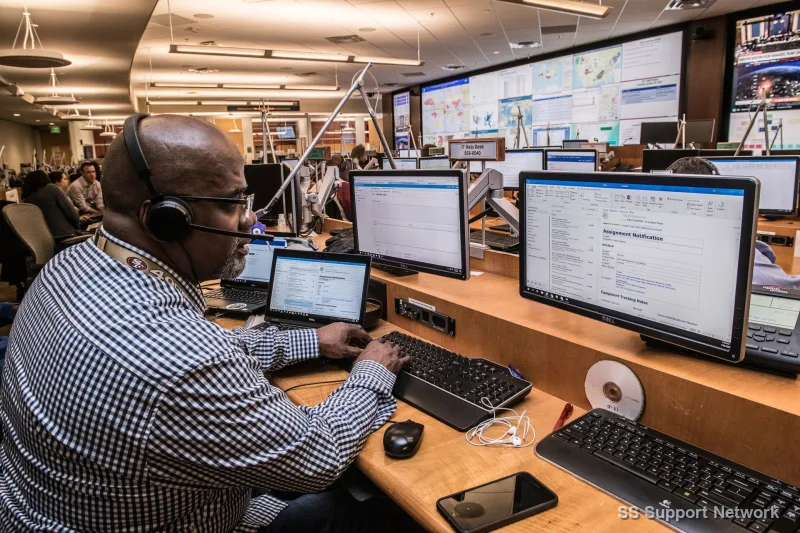
NEMT Dispatch Services
Trip booking, routing, and driver management across every broker network: the overview.
Learn more
The Complete NEMT Back Office
Dispatch, billing, credentialing, and calls: everything a growing fleet hands off.
NEMT overviewFree dispatch review
See where your Ohio bookings are slipping
Tell us your trip volume, the plans and counties you serve, and where the desk is stretched. Within 1 business day: where bookings are missing windows or portals, and a flat quote to run your Ohio dispatch and call handling. No sales pressure.
Prefer to talk now? Call +1 (657) 777-0006 or WhatsApp us, 24/7.