
NEMT Dispatch Support
Will-Call Services That Get Every Rider Home
A will-call is a trip with no time on it and a person waiting at the end of it. We answer the "I'm ready" call, chase the returns nobody has rung about, and put the driver where the patient is.
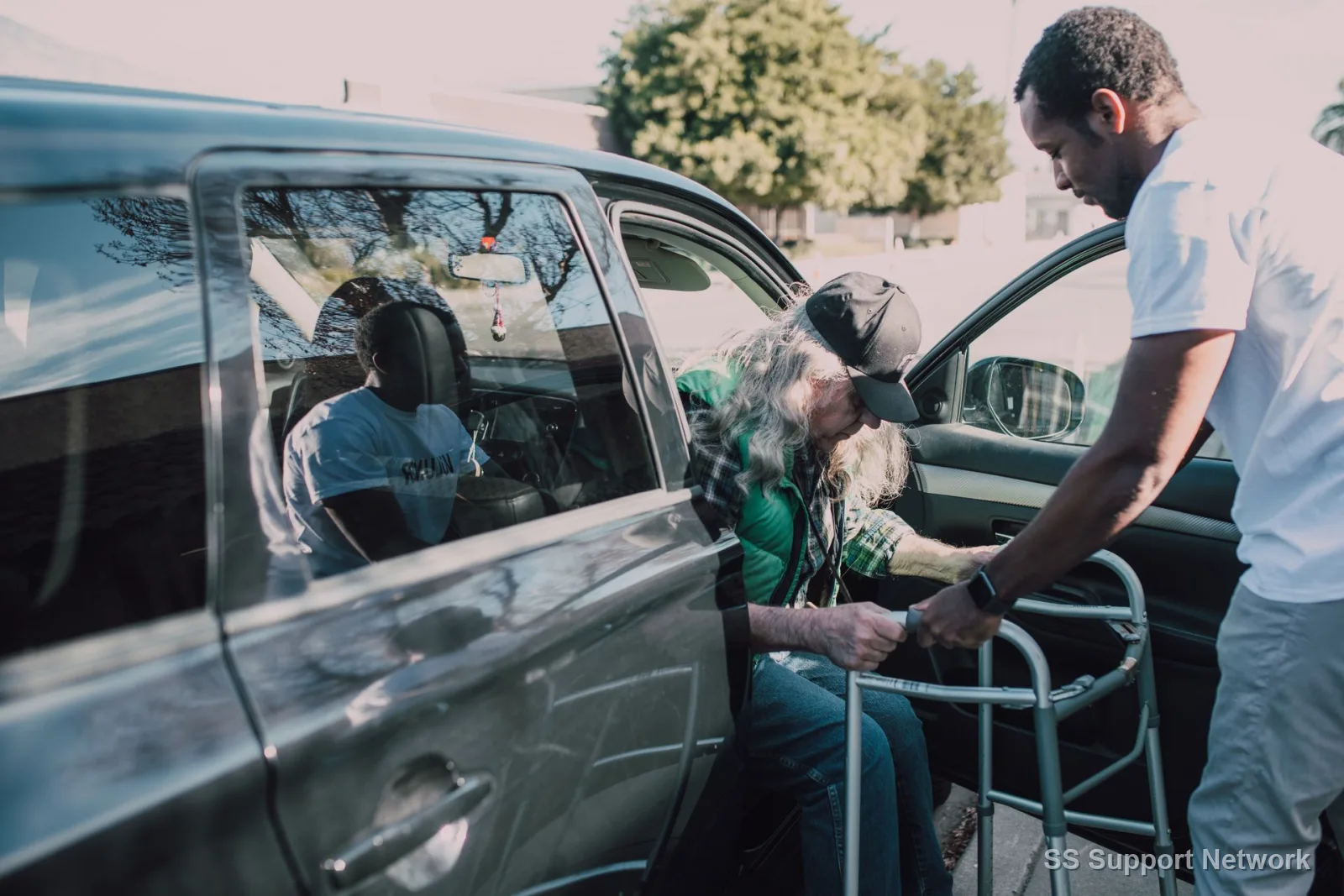
The Return Leg Nobody Can Schedule
Nobody knows how long dialysis, chemotherapy or a specialist appointment will run, so the return leg gets booked without a pickup time. Will-call services staff the desk that manages exactly those trips. When the patient or the facility calls ready, a live agent logs it against the trip and hands the driver an activated pickup; when an expected end time has passed and nobody has called, the agent chases the return before it becomes a problem. NEMT fleets run this desk because an unmanaged will-call is the single most common way a patient ends up sitting in a clinic lobby after closing. It's billed hourly per agent, and usually lives inside the same seat that answers your inbound dispatch line.
What is a will-call trip, and why does it go wrong?
A will-call is the return half of a trip booked without a pickup time, because nobody yet knows when the patient will be finished. Dialysis runs long. A consultation runs short. The rider is discharged an hour after anybody expected. So the trip sits on the board with no time on it, waiting for somebody to say the words that turn it into work.
It goes wrong in the gap. The patient rings and reaches a voicemail. The clinic rings and gets the driver who is forty minutes away on another job. Nobody rings at all, and the trip is quietly still open at six o'clock with a person in a lobby that has closed. Every one of those is a phone call that was not answered by somebody whose job it was to answer it.
The fix is not software. It is a desk. Somebody has to be watching the clock against the expected end time, and somebody has to pick up on the first ring when the call finally comes.
What does the will-call desk actually do?
We take the ready call from the rider, the family member, the dialysis unit or the discharge nurse, verify who is calling and which trip it belongs to, and activate the return. The driver gets a live pickup with the address and the mobility need already on it, not a message to call back.
We watch the ones nobody has rung about. Every will-call carries an expected finish time, and when that time passes we call the facility rather than wait. Most of the time the answer is "another twenty minutes". Occasionally it is "she was discharged an hour ago and is sitting in reception", and that is the call that matters.
We escalate when the wait crosses your threshold. A rider who has been waiting ninety minutes stops being a scheduling problem and becomes a complaint, a broker escalation, or a safeguarding issue. Your rules decide when that line is crossed and who gets telephoned about it.
Who calls us, and can facilities do it without a login?
Riders and their families call your number and reach us. Nobody is asked to remember a portal password while standing at a reception desk.
Facilities get a one-tap ready link if they want one: a single page tied to that trip, with no account to create and no patient detail on it beyond the trip reference. A discharge co-ordinator taps it, we see the trip go ready, and the driver is moving before the patient reaches the door. Facilities that prefer to ring simply ring; both routes land on the same desk.
Everything is logged either way. Who called, when, what was said, and what we did about it, so when a broker asks why a return ran late, the answer is a timestamped record rather than a recollection.
The sequence of a ready call
Thirty to sixty seconds, and the whole point is that the rider is standing in a reception area having just finished treatment. Anything that adds a step to this call is a step taken by somebody who is tired and unwell.
- 1
Identify the trip, not the person
The fastest reliable route is the trip, found from the number calling and the open will-calls at that facility today. Asking a patient for a booking reference they were never given, or for a date of birth to satisfy a verification step nobody designed for this call, is where these calls go slow. Where the caller is a family member or a discharge nurse rather than the rider, the trip is still the anchor and the caller is recorded as who they said they were.
- 2
Confirm the pickup point, because it is often not where they were dropped
Dialysis units, oncology day units and hospital discharge lounges frequently release patients from a different door to the one they arrived at, and a driver sent to the main entrance for a patient waiting at the rear ambulance bay is a fifteen-minute problem that looks like a late trip. One question, asked every time.
- 3
Check whether anything changed during treatment
The short version of the mobility question. A patient who walked into dialysis and is being discharged in a wheelchair, or who now has oxygen with them, needs a different vehicle than the one holding the return. This is the single most useful thing the ready call captures, and it is the one an automated ready button cannot.
- 4
Activate against the board and give the driver a real pickup
The trip goes live in your dispatch system with the address, the door, the mobility need and any escort already attached, and the driver is assigned rather than messaged. The rider is told a realistic time rather than a comforting one, because a patient told fifteen minutes who waits forty complains, and a patient told forty who waits forty does not.
- 5
Log it against the trip
Who called, at what time, from where, what was said and what was done. This is the record that settles a broker query about a late return months later, and it is the reason a will-call desk is worth more than a will-call button.
The chase ladder: what happens when nobody rings
This is the half of will-call that has no inbound trigger, and it is the half that stops a patient being found in a closed lobby. Every open return carries an expected finish time, and the clock runs against it whether or not anybody is watching. These are the defaults; your fleet can set different ones, but it has to set something.
| Where the clock is | What the desk does | Why here |
|---|---|---|
| Expected finish time passes, no ready call | What the desk doesCall the facility, not the patient | Why hereThe unit knows whether treatment overran; the patient may be mid-treatment and unable to answer. Most of the time the answer is another twenty minutes, and that is a useful answer |
| Facility unreachable | What the desk doesSecond facility number, then the ward or unit directly, then the rider's own number | Why hereA single switchboard attempt is not a chase. Treatment units run their own lines and the main number is frequently unstaffed late in the day |
| Rider confirmed ready but waiting | What the desk doesAssign, give a realistic time, and tell the facility | Why hereThe reception desk fielding the question is a relationship you own. Telling them beats them ringing you |
| Wait passes your supervisor threshold | What the desk doesEscalate internally and re-plan the run rather than waiting for a vehicle to free up | Why hereThis is the point where the trip stops being a scheduling problem. Waiting longer does not improve it |
| Wait passes your manager threshold | What the desk doesCall your on-call manager, with the record of everything already attempted | Why hereA rider waiting this long is a complaint, a broker escalation or a safeguarding concern. Your rules decide which, and a person of yours makes the call |
| Facility about to close with a rider still there | What the desk doesImmediate escalation regardless of elapsed time | Why hereClosing time overrides the clock. This is the specific event that produces the six o'clock phone call from an angry family the next morning |
How it played out
A dialysis-heavy fleet stopped losing evenings
A regional NEMT provider running three dialysis contracts had a recurring six o'clock problem: two or three riders every week still waiting after the unit had closed, each one a phone call from an angry family member the next morning. We put a will-call desk behind their dispatch line with an expected-finish time on every return and a chase call the moment it passed. Within a month the after-hours waits had stopped being weekly and become occasional, and the fleet had a written record of every ready call for the broker reviews it had previously argued through from memory.
What does a will-call service cost?
Hourly, per agent, with no per-call fees and no setup charge. Will-call work is bursty by nature (quiet for two hours, then six calls in ten minutes) so it is almost always folded into a seat that also answers your inbound dispatch line, which keeps the agent productive across the whole shift rather than waiting by a phone.
Most fleets running dialysis or oncology contracts start with coverage across the treatment day and extend it once they see where the waits actually fall. Typical savings run 35-70% against fully loaded in-house cost (SS Support Network operations data).
Questions we hear
Will-Call Services, answered straight
A will-call is a return trip booked without a fixed pickup time, because nobody knows when the patient will be finished. The rider, the family or the facility calls when they are ready, and that call turns the open trip into a live pickup. It is standard on dialysis, oncology and hospital discharge work, where the finish time genuinely cannot be predicted in advance.
We do, on your number and in your company name. The rider hears your business answer the phone. Nobody is asked to create an account or remember a password, which matters because the person calling is usually standing at a reception desk having just finished treatment.
We chase it. Every will-call carries an expected finish time, and when that passes without a ready call we ring the facility rather than wait for the phone. That single habit is what stops a patient being discovered in a closed lobby at six o'clock, and it is the part an unstaffed will-call board cannot do.
Yes. Facilities can be given a one-tap ready link tied to a single trip, with no login, no account, and no patient detail on the page beyond the trip reference. Discharge staff tap it and the trip goes live on the board. Facilities that would rather ring simply ring; both land on the same desk and both are logged.
You set the thresholds and SS Support Network works to them literally. A common pattern is a chase call to the facility when the expected finish time passes, a supervisor alert at sixty minutes of waiting, and a call to your on-call manager at ninety, with one override: a facility about to close with a rider still inside escalates immediately regardless of elapsed time, because closing time is the event that actually produces the complaint. What matters is that the line is written down in advance rather than judged in the moment by whoever happens to be on the phone.
Because the unit knows and the patient may not be able to answer. A rider who is still on a dialysis machine cannot pick up, and ringing them produces no information plus a missed call they will worry about. The treatment unit can say whether the session overran, and most of the time the answer is another twenty minutes, which is genuinely useful. SS Support Network works the facility first, then its secondary or ward line rather than only the switchboard, and reaches the rider directly after that. Treatment units run their own numbers and main switchboards are often unstaffed late in the day, so a single switchboard attempt is not a chase.
Two things, and both cost a failed trip when they are missed. The first is the pickup point: treatment units and discharge lounges frequently release patients from a different door to the one they arrived at, so a driver sent to the main entrance for a patient at the rear bay looks like a late trip and is really a routing error. The second is a change during treatment, most often a patient who walked in and is being discharged in a wheelchair, or who now has oxygen with them. A button reports that somebody is ready; it cannot report that they need a different vehicle. SS Support Network offers facilities the one-tap link because it is faster for them, and works the same two questions into the desk's own checks so nothing is lost when it is used.
Yes. We work inside whatever you already run: your dispatch platform, your broker portals, or our own system if you would rather not add another licence. The ready call, the activation and the chase are all recorded where your drivers and your billing already look, so nothing has to be re-keyed afterwards.
Yes. Will-call calls involve patient names, treatment locations and pickup times, so every agent completes HIPAA training before taking one, works under role-based access, and follows the script you approve. We sign a Business Associate Agreement with every client as standard, not as an add-on.
Related services
What the will-call desk plugs into
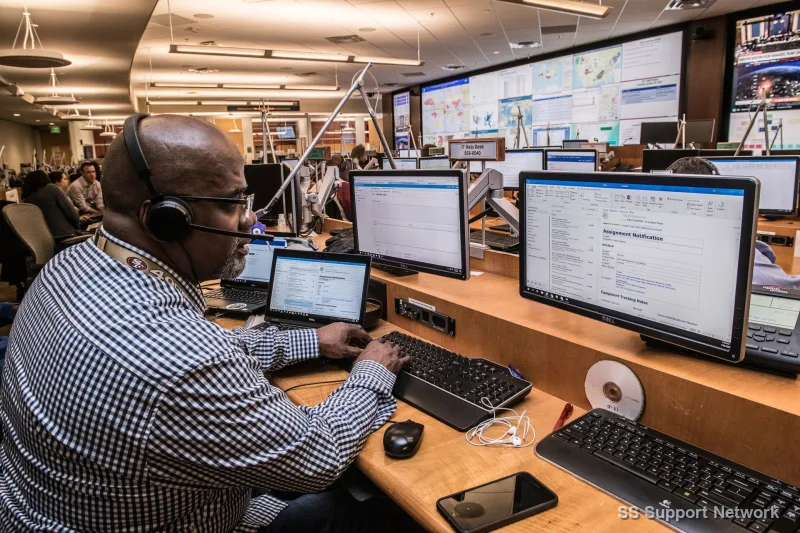
NEMT Dispatching
The full dispatch desk: assignments, live trips, exceptions and the day's manifest.
Learn more
Trip Confirmation Calls
Confirm tomorrow's riders today, so the will-call board starts the day clean.
Learn more
After-Hours Call Handling
The evenings and weekends when a late will-call has nowhere else to land.
Learn moreFree operations audit
Find out where your will-calls are going wrong
Tell us roughly how many return trips you run a week and how many run past the facility's closing time. Within 1 business day you'll have a written will-call plan: coverage hours, escalation rules and the cost, with no sales pressure.
Prefer to talk now? Call +1 (657) 777-0006 or WhatsApp us. We're on both 24/7.