Why the pieces can't be separated
Follow one trip through your operation and watch how many hands it passes through. A broker posts it; someone accepts it in the portal. A dispatcher assigns it; a driver acknowledges it. The rider calls to confirm; someone answers. The trip runs; someone logs it correctly. A claim goes out; someone chases it to payment. And none of it happens at all unless your credentials, insurance, and driver files were current the day the broker assigned the trip.
That's one trip touching call handling, dispatch, billing, and credentialing in a single day. Split those functions across an answering service, an in-house dispatcher, a billing vendor, and a filing cabinet, and every handoff becomes a place where information dies. The biller doesn't know the trip ran late and why. The answering service can't see the dispatch board. Nobody owns the outcome.
What "one system" looks like in practice
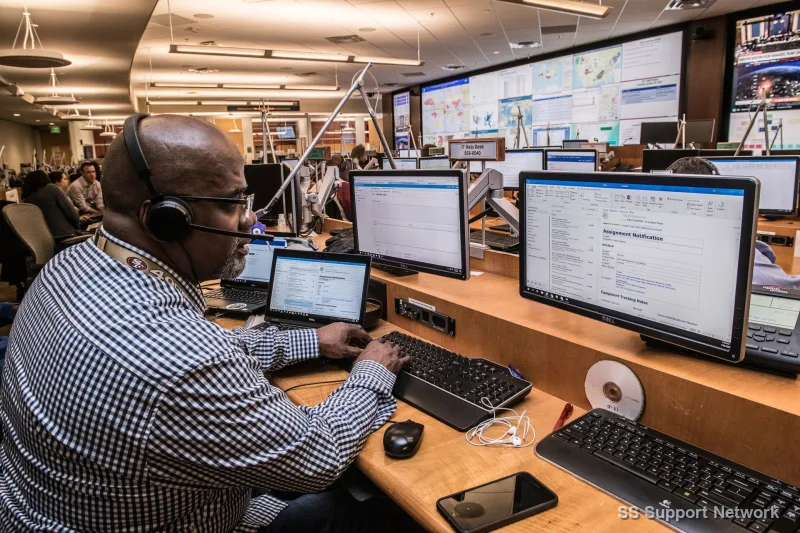
- The person answering the rider's call can see the dispatch board: so "where's my ride?" gets a real answer, not a callback promise.
- The dispatcher knows the broker rules: because the same team manages the portals, trip acceptance reflects what you can actually serve profitably.
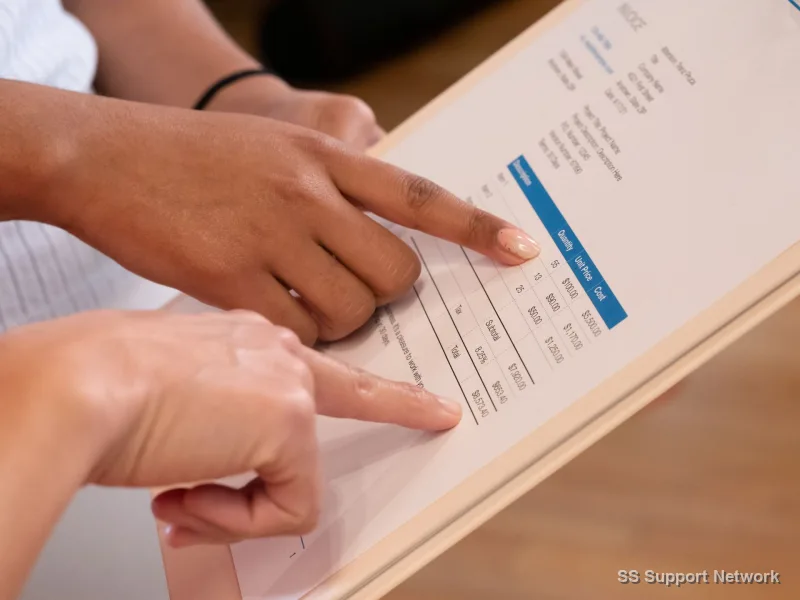
- The biller knows the trip's history: late pickups, will-calls, and signature issues are documented at dispatch time, so claims go out clean the first time.
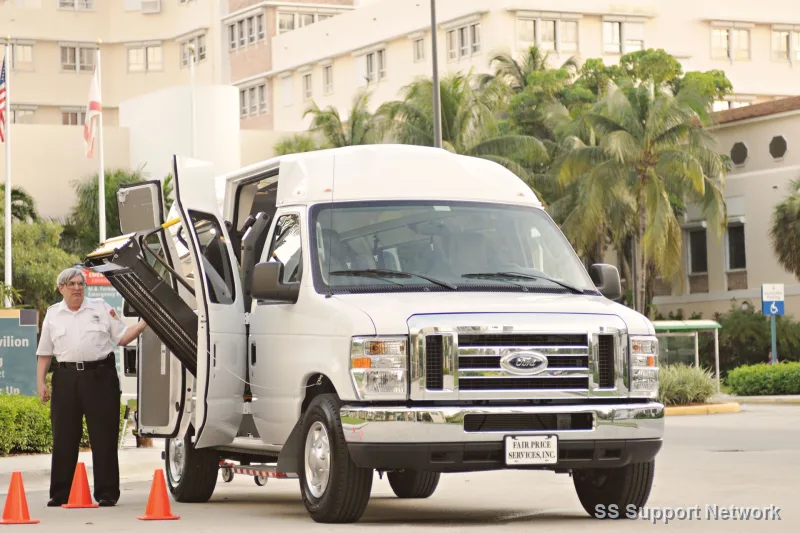
- The credentialing desk feeds everyone: expirations are caught before a broker suspends assignments, and new driver files are ready before the vehicle is.
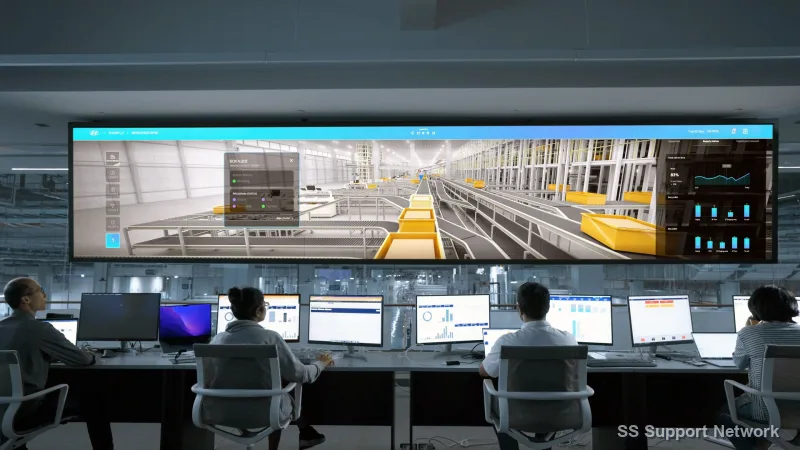
- One report covers it all: calls, trips, claims, and files in a single weekly picture, instead of three vendors pointing at each other.
Built around your software, not ours
The stack runs inside the systems you already use: your dispatch platform, your phone system, your billing tools, your broker portals. You keep ownership and full visibility; we bring the trained people and the coverage. Onboarding follows the same path every time: a free operations audit, training on your setup, and go-live within 5-10 business days. Coverage typically costs 35-70% less than the fully-loaded cost of equivalent in-house staff, based on SS Support Network operations data.
The proof it holds up under growth: our flagship NEMT client has run this complete stack for over two years, expanding from one state to a multi-state operation on the back of it. The details are in the case study.