Senior Living Support
Assisted Living Answering Service
A daughter calling at eleven at night about her mother is not an administrative task. She needs a person, and the person needs to know when to wake a nurse.
The Overnight Problem, Stated Plainly
Between about 8pm and 7am, one person is usually covering an entire building, and a ringing phone is competing with a resident who needs help. That is the stretch this service exists for. An assisted living answering service picks up the calls a community can't staff around the clock: a family checking on a resident, a prospective family asking about availability, a staff member calling out of a shift, and the overnight calls that genuinely need a nurse.
The overnight phone competes with a resident
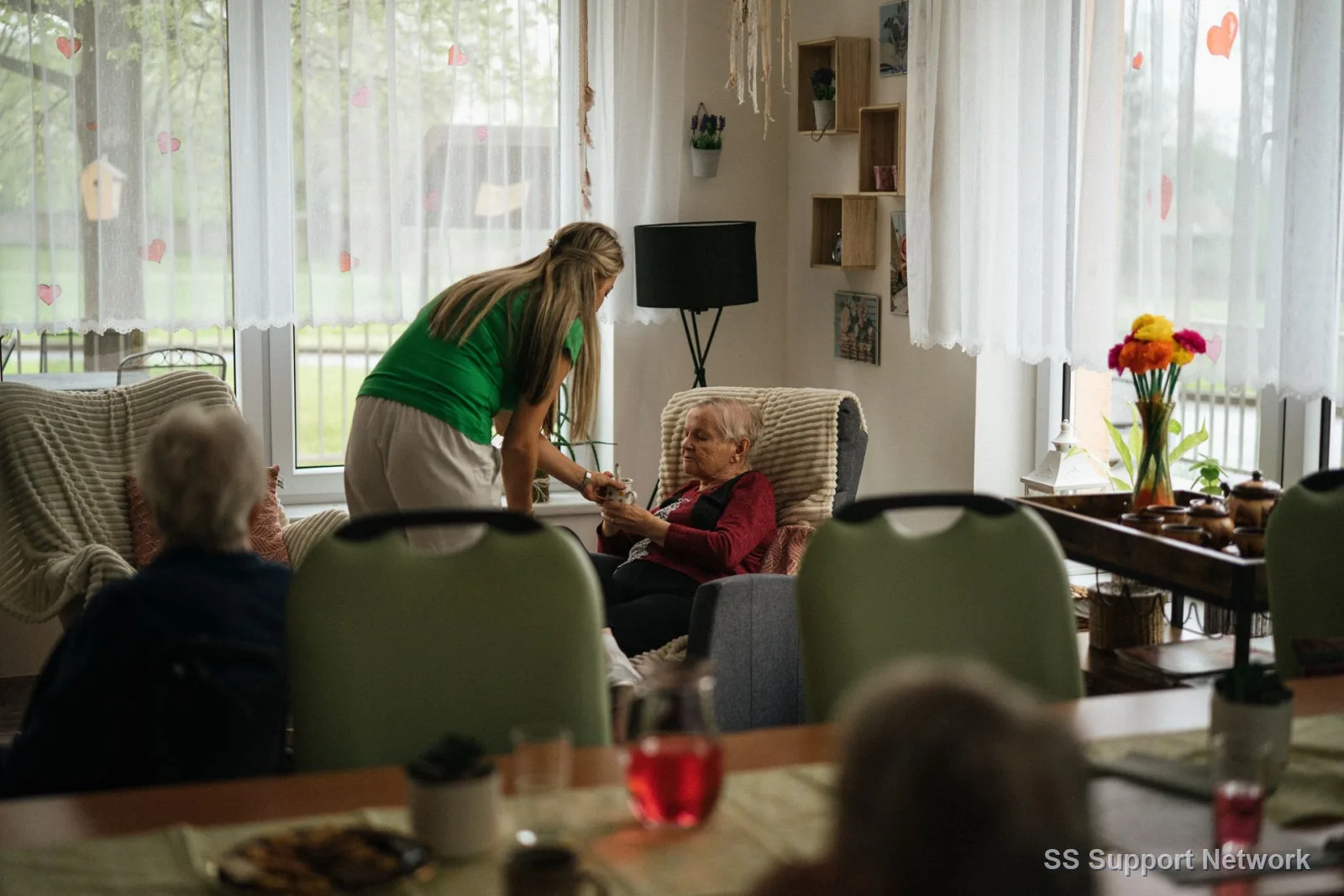
Most communities do not have a night receptionist. The phone rings at the nurses' station, and whoever picks it up is the same person who was helping somebody to the bathroom thirty seconds earlier.
That produces two bad outcomes and no good ones. Either the call goes unanswered, and a worried family member concludes nobody is watching their mother, or it is answered by somebody who has just left a resident alone to reach the handset.
Moving the overnight line to a staffed desk removes the choice. Calls are answered in your community's name, on the first or second ring, by somebody whose only job at that moment is that call.
Four calls, and only one of them wakes a nurse
The value is in the sorting. Most overnight calls do not need clinical judgment, and the ones that do need it immediately.
- Family checking in: reassured, logged, and passed to the day team as a note rather than an interruption.
- Resident or family reporting a problem: assessed against your protocol and escalated to the nurse on duty when it meets your threshold.
- Staff calling out: the shift is recorded and your coverage list is worked, so the morning is not a surprise. See shift replacement.
- Prospective family: captured properly, because a tour enquiry that arrives at 9pm on a Sunday is a move-in nobody wants to lose to voicemail.
Tour enquiries are revenue, not messages
Families researching senior living do it in the evening, after visiting a parent and realizing the situation has changed. They call three or four communities in an hour.
The community that answers with a person, takes the details, and books a tour on that call is usually the community they visit first. The ones that go to voicemail get called back only if the first visit disappoints.
We capture the enquiry in full: who is calling, who they are calling about, the level of care they think they need, and when they can visit. Then we book the tour into your calendar while they are still on the phone.
From a live account
The 9pm tour enquiry that had been going to voicemail
A ninety-bed community was proud of its daytime response and had never looked at what happened after six. Three weeks of call logs showed eleven prospective-family calls arriving after hours, all of them reaching an answering machine, two of them leaving a message. The community had not been losing to competitors on price or care. It had been losing on who picked up.
Straight answers
Assisted living answering, answered straight
Yes, before the first call. Any conversation about a named resident involves protected health information, so a signed Business Associate Agreement and HIPAA-trained agents come first.
By your protocol, written down before we start and reviewed with you. We do not use clinical judgment; we apply the rules you set about what constitutes an escalation, and we err toward escalating when a call sits near the line.
They are told they have reached your community, which is true, and the call is answered in your name with your greeting. If a family asks directly whether they are speaking to somebody on site, we answer honestly and connect or escalate.
Yes, straight into your calendar. Evening and weekend enquiries are the ones most often lost, and they are the ones with the shortest patience.
We record and escalate; we do not file. Anything that may be reportable goes to your named on-call manager immediately with a timestamped record of what was said and when it was passed on.
The escalation thresholds are usually different, and we set them separately. A call about a resident with dementia who is disoriented at 3am is not the same call as one about a resident who has fallen, and treating them alike helps nobody.
That is the common arrangement. Your reception handles the day, we take the hours you cannot staff, and the handover both ways is written down.
Something here we did not cover? Call +1 (657) 777-0006. We are on 24/7.
Also on the desk
The services next door to answering
Home Care Answering
Caregiver call-outs, referrals and family calls answered 24/7 to your escalation protocol.
Learn more
Medical Answering
After-hours on-call handling that reaches your provider only when protocol says so.
Learn more
Shift Replacement & Call-Outs
While the bench grows, call-outs still get covered 24/7, by written rules.
Learn moreFree operations audit
See what answering would cost your community
Tell us how many communities you run and what overnight staffing looks like. Within 1 business day you'll have a written answering plan: coverage hours, escalation rules and the cost. No sales pressure.
Prefer to talk now? Call +1 (657) 777-0006 or WhatsApp us. We answer 24/7.