
Compliance & Credentialing · American Logistics (ALC)
American Logistics (ALC) Credentialing for NEMT Providers
Two lines on ALC's own provider pages decide whether the rest of the application is worth starting: it only contracts with companies that have their own employee drivers, and it sets a $500,000 combined single limit floor on commercial auto while refusing scheduled auto policies outright. We check both on day one, then build the company, driver and vehicle files ALC verifies before it will offer you a single trip.
Quick Answer
SS Support Network is an independent BPO that prepares and submits your American Logistics (ALC) credentialing packet: the company file, a file for every driver, and a file for every vehicle. Two ALC rules decide whether the rest is worth starting. American Logistics states on its own provider pages that it does not employ drivers or transportation providers and only contracts with companies that have their own employee drivers, which rules out owner-operators. Its provider FAQ sets a $500,000 combined single limit minimum on commercial auto, accepts Any Auto, Owned Auto, Hired Auto Only and Non-owned Autos Only symbols, and does not accept scheduled auto policies. We test your business against both before anyone fills in a form. After that we assemble the documents ALC lists for credentialing, which include your business license, certificate of insurance with limits, state Medicaid certification, driver list with training certificates, SAM and OIG exclusion checks, vehicle inspections, the Transportation Provider Agreement and a BAA, then complete RideCafe certification and follow up weekly until there is a decision. Our team is trained on the ALC process and is not affiliated with, endorsed by, or partnered with American Logistics Company; credentialing and approval decisions are made solely by the broker. We are a US-registered BPO based in Vancouver, WA, founded in 2020, working 24/7 under HIPAA safeguards and a signed BAA.
Every part of an American Logistics application, one team
SS Support Network is an independent credentialing and enrollment service provider. We are not affiliated with, endorsed by, sponsored by, or partnered with American Logistics Company, and all broker names and trademarks belong to their respective owners. Credentialing and approval decisions are made solely by American Logistics. We help transportation providers prepare and submit their own applications.
The short answer
What does credentialing with American Logistics involve?
American Logistics Company, founded in 1999 and run out of St. George, Utah, coordinates non-emergency medical transportation for health plans rather than owning vehicles. It keeps what it calls a nationwide transportation database of qualified providers by county, and its clients skew Medicaid and Medicare Advantage. You are not applying to a payer here. You are applying to join a subcontractor network, and the agreement you eventually sign is a service provider agreement that makes you an independent contractor with your own employees.
Three files have to clear before you can carry a trip: the company, every driver, and every vehicle. On top of that sits RideCafe certification, because ALC requires contracted providers to be certified on the platform and requires employee drivers to use the RideCafe mobile app. The sections below take each file the way an ALC reviewer takes it, and they start with the rule that ends applications: the employee-driver requirement.
Read this first
Does American Logistics require employee drivers?
Yes, and ALC says it in plain language on its provider page: "American Logistics does not employ drivers or transportation providers. We only contract with companies that have their own employee drivers." Its provider FAQ repeats the point from the other direction, describing the relationship as a subcontractor arrangement in which you use only employee drivers and stay compliant with labor laws. Owner-operators driving under their own authority do not qualify. Neither does a company whose drivers are all 1099.
Restructuring to employees is not a paperwork change. It means payroll, employment tax withholding, and workers' compensation covering those drivers, which is itself one of the coverages ALC asks for. If you are currently 1099 across the board, budget for that before you budget for the application. We test the question in the free review, on day one, because there is no point assembling driver files for a network that will not take the structure underneath them. If ALC does not fit, we say so and point you at brokers that work with how your business is actually built.
Track 1
The company file, and the insurance detail nobody warns you about
ALC's own credentialing list is unusually legible for a broker. It names a business license, a certificate of insurance showing limits, Medicaid certification, a driver list with training certificates, SAM and OIG background screening, vehicle inspections as an inventory, driver incentive programs, the Transportation Provider Agreement and a BAA. The Medicaid line matters more than it looks: ALC expects you to already be certified in your state, so if your state enrollment is pending, that is the real critical path and the ALC application is waiting on it, not the other way around.
Then there is the insurance, which is where good applications die. The provider FAQ sets a $500,000 combined single limit minimum on commercial auto, alongside general liability and workers' compensation. More usefully, it tells you which policy forms it will read: Any Auto, Owned Auto, Hired Auto Only, and Non-owned Autos Only. A scheduled auto policy is not accepted. Plenty of small fleets are insured on scheduled autos because it was cheaper, and they find out at credentialing that the policy they have cannot be made to work by adding a vehicle to it. Limits above that floor still vary by market and contract, so confirm yours rather than assuming the minimum is the number. We read your COI before it goes in, tell you if the form is wrong while your agent can still rewrite it, and get the certificate wording right the first time instead of after a rejection.
Track 2
How do I credential my drivers with American Logistics?
ALC describes the screening standard for its provider network as extensive background checks plus enrollment in a drug and alcohol screening program, with each driver checked against state, local and contractual rules. Note the word program. That is not a one-time pre-hire cup; it implies an ongoing arrangement with random selection, and the paperwork ALC wants is proof of enrollment, not a single clean result. Its credentialing list also calls for SAM and OIG screening, which is federal exclusion checking rather than a criminal record search, and the two are not interchangeable no matter what your background vendor bundles.
Beyond that, the file is a driver list with training certificates attached, which is deliberately open-ended because the required training tracks your state's NEMT rules and whatever the specific health plan contract in your market demands. Ask what applies in your state instead of copying another operator's list. And every driver has to be on the RideCafe mobile app, since ALC requires employee drivers to use it and only allows trips to be assigned to drivers it shows as fully credentialed. That last clause is the one that bites operating fleets: a license or a screening lapses, the driver stops being assignable, and the first sign is a thinner offer queue rather than a warning email. We build each driver file, run the RideCafe certification, and hold every expiry and testing date on a calendar we watch instead of one you have to remember.
Track 3
Vehicles: ALC credentials the inventory, not just the company
ALC lists vehicle inspections as an inventory item, and that phrasing is the whole point. It is not one blanket fleet approval. Each unit is carried individually, and the platform will only let you assign a trip to a vehicle it has verified as fully credentialed. Buy a van on Friday and put it on a Monday route, and the trip either cannot be assigned or is assigned to a vehicle the broker's record does not recognize, which is the kind of mismatch that surfaces later as a payment nobody can explain.
So the file per vehicle covers the usual ground: registration current, a passing inspection, the unit actually sitting on the auto policy that ALC accepted, and for wheelchair or stretcher units, evidence the securement equipment meets the standard your state and the plan contract set. The discipline that matters is the roster staying in sync in both directions. New units added before they run, retired units taken off so you are not paying to insure and inspect something you sold. We keep the inventory, the inspection dates and the insurance schedule matched to what ALC shows, so the fleet you operate and the fleet ALC will assign to are the same fleet.
Track 4
Staying credentialed, and why a lapse costs you quietly
Approval is not the finish line, and with ALC the penalty for drifting is unusually indirect. Because trips are only offered to fully credentialed providers, and only assignable to drivers and vehicles ALC has verified, an expired COI or a driver whose screening ran out does not produce a rejection letter. It produces fewer offers. ALC is also candid that it does not control trip volume and guarantees none, which means a provider whose file quietly went stale can spend a month blaming the market for a problem sitting in their own document folder.
The moving parts are predictable: the certificate of insurance renews annually, the drug and alcohol program runs on its own cycle, motor-vehicle records and exclusion checks get re-pulled, inspections expire per vehicle. None of it is difficult. All of it is easy to miss when you are dispatching. We hold the calendar, prepare renewals ahead of the date rather than after the reminder, keep the documents current in RideCafe, and tell you which item is about to expire before it changes what you get offered.
Not sure ALC fits?
Be honest about volume before you restructure your payroll
Worth reading ALC's own answer to "how much business can I expect" before you convert your drivers to employees for it. The company says it does not control the volume of trips available, guarantees none, and suggests treating the work as supplemental. That is a fair thing to publish and a hard thing to build a payroll around if ALC is your only broker. Combined with the employee-driver rule and the scheduled-auto exclusion, it means the cost of joining is front-loaded and the return is not promised.
None of which makes ALC a bad application. It makes it a poor first one for a fleet running owner-operators with no other broker relationship. In the free review we set your structure, your insurance form and your market against what each broker near you actually requires, so the first application you file is one that can be approved and one that can be fed.
How it works
Three steps to an American Logistics decision
- 1
Fit check, then the checklist
Two questions first: are your drivers employees, and is your auto policy a form ALC accepts at $500,000 CSL or better? If both clear, you get the document list for the company, each driver and each vehicle. Written within 1 business day.
- 2
We prepare & submit
Company, driver and vehicle files assembled and gap-checked, COI corrected with your agent before it goes in, state Medicaid certification confirmed, RideCafe certification completed, everything submitted the way the reviewer reads it.
- 3
Follow-up to a decision
Same-week responses to deficiency notices and weekly status checks so your file never sits. Once you're approved, we get drivers onto the RideCafe app and put every renewal on a calendar.
Common questions
American Logistics credentialing, answered straight
You start with the Join Our Network form on ALC's site, which asks for your commercial auto and general liability amounts, fleet and service areas, and a representative contacts you from there. Then comes credentialing on three files, the company, each driver and each vehicle, plus RideCafe certification and a signed Transportation Provider Agreement before you can accept trips. We prepare the packet, keep the state Medicaid certification on the critical path where it belongs, and answer every deficiency notice so nothing stalls on missing paperwork.
Yes. ALC states on its provider page that it does not employ drivers or transportation providers and only contracts with companies that have their own employee drivers, and its provider FAQ describes the relationship as a subcontractor arrangement using employee drivers only. Owner-operators and all-1099 fleets do not qualify. Restructuring means payroll, employment taxes and workers' compensation, which is one of the coverages ALC asks for anyway, so we test the question on day one rather than weeks in.
ALC's provider FAQ gives a floor of $500,000 combined single limit on commercial auto, plus general liability and workers' compensation. It also names the policy forms it will read: Any Auto, Owned Auto, Hired Auto Only and Non-owned Autos Only. Scheduled auto policies are not accepted, which catches out small fleets insured that way to save money. Limits above the floor vary by market and contract, so we confirm yours and check the certificate form with your agent before it goes in, not after a rejection.
ALC screens each driver against state, local and contractual rules, and its credentialing list calls for a driver list with training certificates, SAM and OIG exclusion checks, and enrollment in a drug and alcohol screening program rather than a single pre-hire test. Which training certificates apply depends on your state's NEMT rules and the plan contract in your market, so ask instead of copying someone else's list. Every driver also has to be on the RideCafe mobile app, because ALC only assigns trips to drivers it shows as fully credentialed. We build each file and hold the expiry dates on a calendar.
No. SS Support Network is an independent credentialing and enrollment service provider. We are not affiliated with, endorsed by, sponsored by, or partnered with American Logistics Company, and all broker names and trademarks belong to their respective owners. We help transportation providers prepare and submit their own applications.
ALC sets the pace and it moves with how badly the network needs capacity in your county, so we won't quote you a number. The bigger delay is usually upstream: ALC's credentialing list includes Medicaid certification, so if your state enrollment is still pending, that is your real timeline. What we control is a complete first submission, same-week responses to deficiency notices, and weekly follow-up, so the wait is never coming from your side of the file.
Credentialing is billed hourly from $6/hr, or priced per application and per driver, quoted to your fleet size and how many brokers you are enrolling with. ALC-specific point worth making: because each driver and each vehicle is credentialed individually and has to stay current to remain assignable, the ongoing maintenance is usually the bigger line item, not the first submission. Ask for a custom plan and we quote it in writing, with no obligation.
Not sure your drivers or your auto policy fit ALC? Call +1 (657) 777-0006, 24/7.
Related
Credentialing is step one. These keep you rolling.

All Broker Enrollment
Modivcare, MTM, American Logistics and regional brokers: the enrollment overview.
Learn more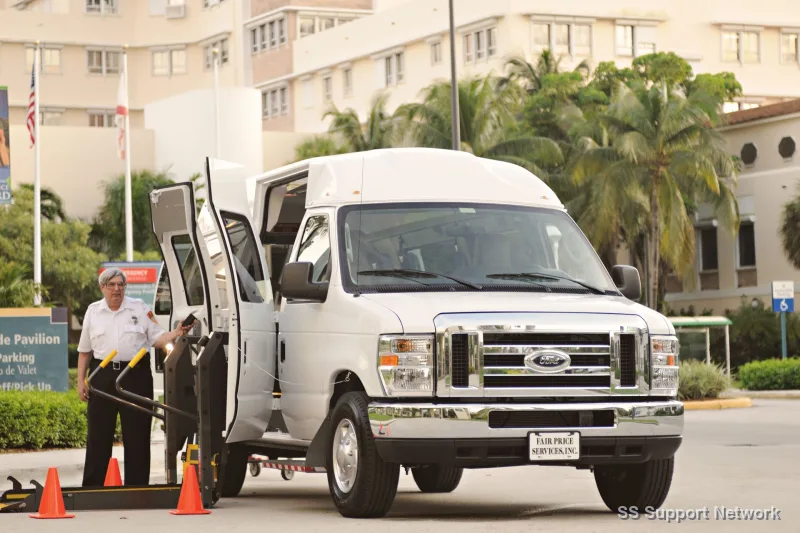
Driver Credentialing
Driver files cleared and kept current inside every broker portal you run, RideCafe included.
Learn more
American Logistics Billing
ALC takes no invoices, so the money rides on the trip record. How we reconcile it once you're running.
Billing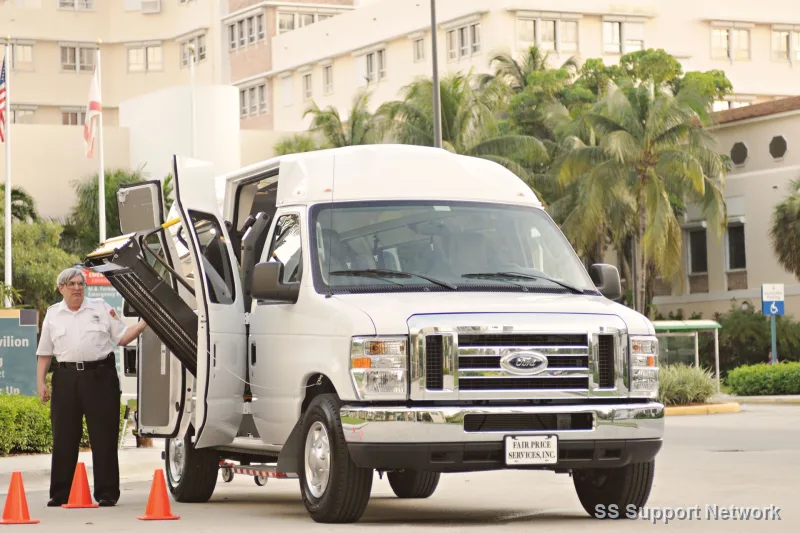
The Complete NEMT Back Office
Dispatch, billing, credentialing, and calls: everything a growing fleet hands off.
NEMT overviewFree credentialing review
Find out whether ALC will take you before you apply
Tell us your market, your fleet, how your drivers are paid, and what your auto policy says. Within 1 business day you get a straight yes or no on fit, the document checklist for company, drivers and vehicles, and a flat quote. No sales pressure.
Prefer to talk now? Call +1 (657) 777-0006 or WhatsApp us, 24/7.