
Revenue & Billing · Alivi Health
NEMT Billing for Alivi Health Providers
Trip claims submitted clean, denials worked the day they land, and every remittance reconciled to the trips you actually ran — Alivi billing by billers who know the Alivi Provider Portal and benefit-manager trip claims, so the work you already did turns into money in the bank.
The whole Alivi billing cycle, one team
SS Support Network is an independent billing service provider — not affiliated with, endorsed by, sponsored by, or partnered with Alivi (Alivi Health). All broker and benefit-manager names and trademarks belong to their respective owners. We bill trips on behalf of transportation providers who contract with Alivi.
Quick Answer
SS Support Network is an independent billing service provider that runs the full Alivi trip-claim cycle for NEMT transportation providers — submitting clean claims through the Alivi Provider Portal, working every denial back to payment, and reconciling each remittance to the trips you actually ran. It's for fleets that are already approved to run Alivi Health trips but losing revenue to denials, short-pays, and aging AR, whether they bill in-house today or want to switch providers. We work inside your own Alivi Provider Portal login and billing system, trained on Alivi's process but not affiliated with, endorsed by, or partnered with Alivi (Alivi Health) — trip volume and payment decisions rest solely with the benefit manager. The outcome is completed trips that turn into predictable payments instead of write-offs, with denials corrected the same week and short-pays surfaced instead of silently lost.
The short answer
How does billing Alivi Health trip claims work?
Getting approved to run trips is one job; getting paid for them is another. Alivi is a Miami-based benefit-management company that administers NEMT benefits for health plans, and every completed trip becomes a claim Alivi adjudicates against the trip it authorized. The difference between a fleet that gets paid on time and one that bleeds revenue is almost never the trips, it is the claims work behind them. This page walks through the full Alivi billing cycle: how claims go in through the Alivi Provider Portal, what makes a claim clean, why claims get denied, and how the money gets reconciled so nothing quietly goes unpaid.
Step 1
How do you submit Alivi trip claims?
Claims for completed Alivi trips are submitted through the Alivi Provider Portal or an EDI feed from your billing system. Each claim has to carry the authorization for that trip, the correct level of service, the pickup and drop-off details, mileage, and the dates and times that match what was authorized in the states and health plans where Alivi manages the transportation benefit. Billed one at a time by hand, this is where small fleets fall behind; batched and checked against the authorization first, it is fast and clean. We submit your Alivi claims on a set cycle so trips are billed while they are fresh, not weeks later when details get fuzzy.
Step 2
Clean-claim documentation for Alivi
A clean Alivi claim is one the reviewer cannot bounce. That means the trip authorization number matches, the signature or electronic proof of the completed trip is attached where required, the times and mileage line up with the authorized trip, and no-shows carry the documentation Alivi requires to bill them. Most denials trace back to one of these being missing at submission. We build the documentation standard into the claim before it goes, so the first submission is the one that pays instead of the one that gets kicked back.
Step 3
Why do Alivi trip claims get denied?
When an Alivi claim is denied, the clock starts. The common reasons are fixable — an authorization mismatch, a missing signature, times that do not reconcile, a duplicate, or a claim that crossed the timely-filing window — but only if someone works them quickly. A denial that sits becomes a write-off. We run denials as a daily desk: read the reason code, correct the claim, resubmit the same week, and appeal when the denial is wrong. Just as important, we track why claims deny so the pattern gets fixed upstream and the same denial stops repeating.
Step 4
How do you reconcile Alivi remittances?
The last mile of Alivi billing is proving you were paid for every trip you ran. When the Alivi remittance lands, each payment has to be matched to its trip, and the trips that were run but not paid — short-pays, missing claims, silent denials — have to surface instead of disappearing. This is the step fleets skip when they are busy, and it is where the money leaks. We reconcile every Alivi remittance against your trip records, post payments, and chase the gaps, so your revenue matches your operation instead of trailing it.
Approved, then paid
Credentialing gets you the trips — billing gets you the money
Benefit-manager billing and credentialing are two halves of the same relationship. If you are still getting set up with Alivi, start with credentialing; if you are running trips and the revenue is not keeping up, the fix is usually in the claims. We do both, so the handoff between "approved to run trips" and "paid for the trips" never drops.
How it works
Three steps to a clean Alivi claim cycle
- 1
Free billing review
We look at your last few Alivi remittances and your aging report, find the denials and short-pays hiding in them, and show you what a clean cycle recovers. Written within 1 business day.
- 2
We take the claims
Working in the Alivi Provider Portal under your login, we submit clean claims on a set cycle, attach the documentation Alivi expects, and check every claim against its authorization before it goes.
- 3
Denials worked, money reconciled
Denials corrected and resubmitted the same week, remittances matched to trips, short-pays chased. You get a clear report of what was billed, paid, and still open.
Common questions
Alivi Health billing, answered straight
Each completed trip becomes a claim that Alivi adjudicates against the trip it authorized, then pays clean claims on its remittance cycle. Claims run through the Alivi Provider Portal or an EDI feed, and the ones that pay first time carry an authorization number, level of service, mileage, and dates and times that match the authorized trip in the states and health plans where Alivi manages the transportation benefit. We build the claim, check it against the authorization before it goes, and work every denial back to payment.
The common ones are avoidable: an authorization number that does not match the trip, a missing or mismatched signature, times or mileage that do not line up with the authorized trip, a duplicate, a no-show billed without the required proof, or a claim filed after the timely-filing window. We check each of these before submission and, when a denial still lands, we correct and resubmit the same week instead of letting the claim age out.
Yes. We work in the Alivi Provider Portal under your own login with role-based access, or through your billing system's EDI connection — whichever you already use. Your data stays in your systems; we do not move it into a separate platform. You keep full visibility into every claim and payment.
No. SS Support Network is an independent billing service provider. We are not affiliated with, endorsed by, sponsored by, or partnered with Alivi, and all broker and benefit-manager names and trademarks belong to their respective owners. We bill trips on behalf of transportation providers who contract with Alivi.
Yes. Most fleets run Alivi alongside other brokers and straight Medicaid, and our billers work the whole mix so nothing falls between systems. We reconcile each payer's remittance to the trips you actually ran, so short-pays and missing trips get caught instead of written off.
Your Alivi Provider Portal access, your trip and authorization records, and your current aging report. In the free billing review we look at your last few remittances, find the denials and short-pays hiding in them, and show you what a clean Alivi claim cycle would recover — before you commit to anything.
Want us to read your last Alivi remittance for leaks? Call +1 (657) 777-0006 — 24/7.
Related
The rest of the Alivi revenue picture

Alivi Credentialing
Company, driver, and vehicle credentialing to get approved for Alivi Health trips.
Learn more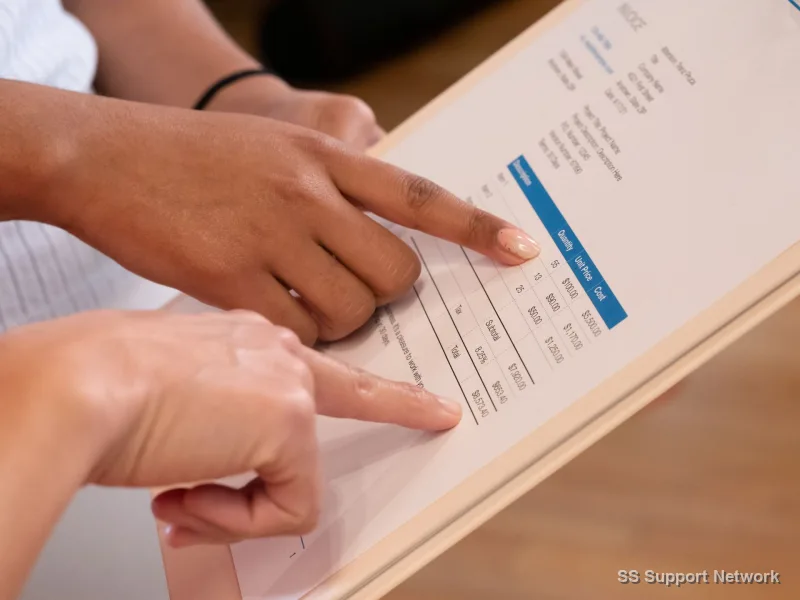
MTM Billing
Trip claim submission, denials, and reconciliation for fleets that also run MTM.
Learn more
The Complete NEMT Back Office
Dispatch, billing, credentialing, and calls — everything a growing fleet hands off.
NEMT overviewFree billing review
Find the money hiding in your Alivi remittances
Send us your last few Alivi remittances and your aging report. Within 1 business day: the denials and short-pays we can recover, and a flat quote to run your Alivi claims clean — no sales pressure.
Prefer to talk now? Call +1 (657) 777-0006 or WhatsApp us — 24/7.