
Compliance & Credentialing · Call the Car
Call the Car Credentialing for California NEMT
Call the Car takes subcontractor applications through its own vendor portal and books a physical vehicle inspection as a calendar appointment before you carry a member. We prepare the company, driver and vehicle files, get the application answers right the first time (including the ones people guess at, like your Medi-Cal ID and your service levels), and follow the file every week until CTC gives you a decision.
Quick Answer
SS Support Network is an independent BPO that prepares and submits your Call the Car (CTC) subcontractor application and the company, driver and vehicle files behind it, then follows up every week until you have a decision. Call the Car is a Diamond Bar company founded in 2010 by Dr. Michelle Tyson. It brokers trips for Medi-Cal managed care plans, Medicare D-SNP plans, Covered California and San Diego Regional Center, and it also runs its own fleet, which is worth knowing before you apply. Its subcontractor intake is an online form at vendors.callthecar.com, its dispatch platform sits at ccerrts.callthecar.com, and vehicle credentialing inspections are booked as appointments rather than uploaded as documents. This is built for California NEMT providers who are new to CTC, adding it to an existing broker mix, or stalled mid-application. We're trained on the CTC process but not affiliated with, endorsed by or partnered with Call the Car; credentialing and approval decisions are made solely by the broker. We are a US-registered BPO based in Vancouver, WA, founded in 2020, working 24/7 under HIPAA safeguards and a signed BAA.
Every type of Call the Car credentialing, one team
SS Support Network is an independent credentialing and enrollment service provider. We are not affiliated with, endorsed by, sponsored by, or partnered with Call the Car (CTC), a Diamond Bar, California company. All broker names and trademarks belong to their respective owners. Credentialing and approval decisions are made solely by Call the Car. We help transportation providers prepare and submit their own applications.
The short answer
What does credentialing with Call the Car involve?
Call the Car isn't only a broker. It's a brokerage, an owner-operated fleet and a software company at once, which means the network you're joining is run by a company that also runs vans. That doesn't make it a bad partner; CTC is a certified woman- and minority-owned business and a NEMTAC member, and it moves a lot of volume. It does mean your file has to be clean enough that assigning you a trip is the easy choice.
CTC's subcontractor intake asks a specific set of questions before anyone looks at a document: your NPI, your state Medi-Cal identification number, whether that Medi-Cal approval is active or still pending, the permits you hold, the counties and cities you actually cover, the languages your team speaks, how many drivers and vehicles you run, which dispatch software you use, which levels of service you can supply, and whether the business is diversely owned. Every one of those answers routes your file somewhere. Guess at them and you land in the wrong queue. Behind the form sit three document tracks (company, drivers, vehicles) plus a booked inspection appointment. The sections below walk each one the way a CTC reviewer sees it.
Track 1
How does company credentialing with Call the Car work?
Two things have to exist before the CTC form is worth filling in: an NPI, and a Medi-Cal provider enrollment that is at least pending. California handles that enrollment through PAVE, the DHCS provider application and validation portal at pave.dhcs.ca.gov, which is also where you add vehicles or file a supplemental change to attach non-medical transportation to an existing NEMT enrollment. Providers who apply to CTC with nothing in PAVE spend the next two months explaining themselves instead of running trips.
The company packet itself is the familiar list, done precisely: W-9 and EIN letter, Articles of Organization or business license, your California Public Utilities Commission charter-party permit, commercial auto liability and general liability certificates, workers' compensation. CTC handles limits and coverage requirements through its subcontractor process rather than a public rate sheet, so we confirm the current thresholds and the exact Certificate Holder and Additional Insured wording with CTC before anything is submitted. Certificate wording is the cheapest thing to get wrong and the most irritating to fix afterwards, because at that point you're waiting on your insurance broker rather than on CTC.
Track 2
How do I credential my drivers with Call the Car?
Each driver needs a current California license for the class of vehicle they drive, a clean DMV record, a criminal background check, drug and alcohol screening, and first aid and CPR. Wheelchair work adds securement training or a passenger-assistance course. None of that is exotic. What catches operating fleets is the calendar: a license, a medical card or a background check expires quietly and the driver stops being assignable on their next shift.
There's one CTC-specific detail worth planning for. The subcontractor form asks what languages your team speaks, and CTC's plan book is heavily Medi-Cal across Los Angeles, the Inland Empire and the Central Coast, so a roster that covers Spanish and whatever else is common in your counties is an asset you should be declaring rather than leaving blank. We build each driver file, keep the language and certification data current in the vendor portal, and run every expiry date on a tracking calendar so a lapse never surprises you on a Monday.
Track 3
What does Call the Car require to credential a vehicle?
Here is where CTC differs from brokers that only want a PDF. Call the Car books vehicle credentialing inspections as calendar appointments through its own scheduling page, so somebody has to physically present the van. Turn up with a vehicle that isn't ready and you've burned the slot and the week behind it.
Before that, California's own rules have to be satisfied: current DMV commercial registration, the vehicle listed on your auto liability policy, a passing safety inspection, and, for wheelchair vans and litter vans, a standard brake and light certificate issued under the California Department of Consumer Affairs, which title 22 of the California Code of Regulations calls out at section 51000.30(d)(18)(G). Capacity counts too. State rules expect a wheelchair van to carry two wheelchair-seated passengers and a litter van to take a gurney, so a converted minivan does not become a stretcher unit because you fitted a cot in it. We stage the paperwork, book the inspection, and make sure the vehicle that arrives matches the one on the schedule and on the policy.
Track 4
Re-credentialing & staying active with Call the Car
Nobody loses a CTC contract on the first application. They lose it on a renewal. Insurance certificates run annually, CPUC permits and DMV registrations renew, brake and light certificates and safety inspections expire, driver screenings run on their own cycles, and your PAVE record has to keep matching the fleet you actually operate, because adding or retiring a vehicle is a PAVE change as well as a CTC change.
That's the trap: two rosters, one fleet, and they drift apart the moment you get busy. We run all of it as a calendar rather than a fire drill. Renewals prepared ahead of the deadline, updated documents into the vendor portal, PAVE kept in step, and no accidental deactivation in the middle of a standing dialysis schedule.
Counties & clients
Confirm which CTC client covers your county before you apply
CTC is not a Southern California story only, and it isn't one payer. Its intake lines are split by client, and that list tells you where the trips are: AppleCare Medical Group, Blue Shield of California Promise, Blue Shield of California Medicare, Central California Alliance for Health, Heritage Victor Valley, IEHP, L.A. Care across Medi-Cal, Medicare D-SNP and Covered California, and San Diego Regional Center. Central California Alliance covers Mariposa, Merced, Monterey, San Benito and Santa Cruz counties. San Diego Regional Center serves San Diego and Imperial counties and funds transport for people with developmental disabilities, which is a different world from a managed-care NEMT trip and worth asking about separately if that's your area.
Two practical consequences. First, if your county's Medi-Cal plan doesn't use CTC, a perfect CTC application still gets you nothing, and a different broker credentials you instead. Second, CTC also moves low-acuity riders through mileage reimbursement, bus passes and rideshare partners, so a fleet applying with ambulatory curb-to-curb only is competing with a Lyft ride. Wheelchair, gurney and genuine door-to-door capability is what makes a subcontractor hard to substitute. In the free review we check which client runs your counties and which service levels are worth declaring on the form.
How it works
Three steps to a Call the Car decision
- 1
Free credentialing review
We confirm which CTC client actually covers your counties, check your NPI and PAVE status, and send the exact document list for the company, each driver and each vehicle. Written plan within 1 business day.
- 2
We prepare & submit
Subcontractor form completed with answers that route you correctly, three document tracks gap-checked, insurance wording confirmed with CTC before it goes, and your vehicle inspection appointment booked.
- 3
Follow-up to a decision
Same-week responses to anything CTC asks for, plus weekly status checks so the file never sits. On approval we get you live on the dispatch portal and put every renewal on a calendar.
Common questions
Call the Car credentialing, answered straight
You complete Call the Car's subcontractor application, clear its credentialing review, present your vehicles for a booked inspection, and sign a subcontractor agreement before you can take trips. The form asks for your NPI, your state Medi-Cal identification number and whether that enrollment is active or pending, the permits you hold, your counties and cities, your driver and vehicle counts, your dispatch software and the service levels you offer. We get the Medi-Cal and PAVE side straight first, prepare the company, driver and vehicle files, book the inspection, and answer every request so the file doesn't stall on paperwork.
Expect commercial auto liability and general liability with Call the Car named as Certificate Holder and Additional Insured, plus workers' compensation. Limits are set by contract and by the plan behind the trips, so we confirm the current thresholds and the exact wording with CTC before submission rather than after a rejection. On the California side you will also need a Public Utilities Commission charter-party permit, current DMV commercial registration, a passing safety inspection, and, for wheelchair or litter vans, a brake and light certificate as required by title 22 section 51000.30(d)(18)(G).
Both, and a software company as well. Call the Car brokers trips to subcontracted providers, runs its own fleet, and builds the dispatch platform the network operates on. For an applicant that means two things. The network owner is also an operator, so your file has to be complete enough that assigning you a trip is the easy call. And the platform you're onboarded to is CTC's own, not a third-party system you may already know.
Each driver needs a current California license for the vehicle class they drive, a clean DMV record, a criminal background check, drug and alcohol screening, and first aid and CPR, with securement or passenger-assistance training for wheelchair work. Declare the languages your drivers speak as well, since the subcontractor form asks and CTC's plan book is heavily Medi-Cal. We assemble each file, load it into the vendor portal, and track every expiry date so nobody goes unassignable mid-week.
No. SS Support Network is an independent credentialing and enrollment service provider. We are not affiliated with, endorsed by, sponsored by, or partnered with Call the Car (CTC), a Diamond Bar, California company, and all broker names and trademarks belong to their respective owners. We help transportation providers prepare and submit their own applications.
CTC controls that, and two things move it: how much network capacity it needs in your counties, and how complete your first submission is. The inspection step adds a real-world constraint most brokers don't have, because a vehicle has to be presented on a booked appointment rather than uploaded as a document. What we control is a complete first file, a vehicle that's genuinely ready on inspection day, same-week responses, and weekly follow-up, so the wait is never coming from your side.
Credentialing is billed hourly from $6/hr for the credentialing work, or priced per application and per driver, quoted to your fleet size and how many brokers you are enrolling with. Some California costs sit outside our fee and stay yours: PAVE enrollment, CPUC permits, brake and light certificates, and inspections. Ask for a custom plan and we quote it in writing, with no obligation.
Not sure which CTC client runs your California counties? Call +1 (657) 777-0006, 24/7.
Once you are contracted and running trips, the claim side is handled separately in Call the Car billing.
Related
Credentialing is step one. These keep you rolling

All Broker Enrollment
Modivcare, MTM, Call the Car and regional brokers: the enrollment overview.
Learn more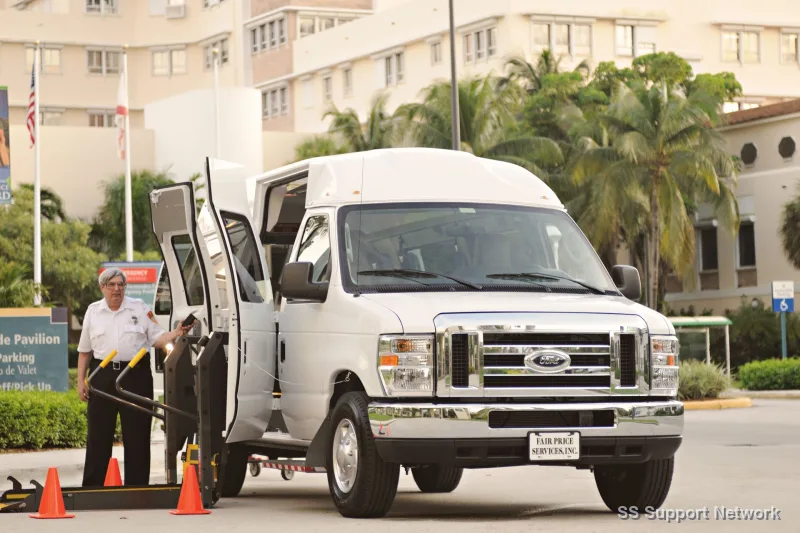
Driver Credentialing
Driver files cleared and kept current inside every broker portal you run.
Learn more
Call the Car Billing
Trip reconciliation, PCS level-of-service checks and denial work once you're running.
Billing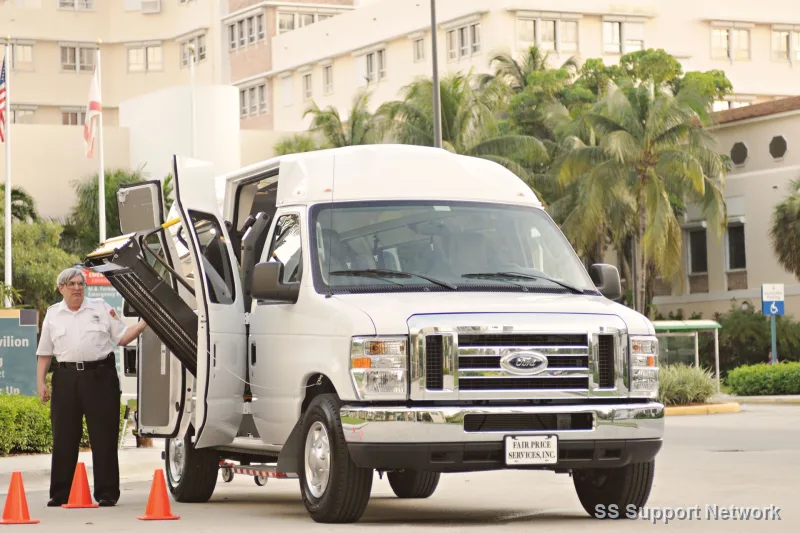
The Complete NEMT Back Office
Dispatch, billing, credentialing and calls: everything a growing fleet hands off.
NEMT overviewFree credentialing review
Find out exactly what your Call the Car file needs
Tell us your California counties, your fleet and the service levels you can run. Within 1 business day you get which CTC client covers your area, the document list for company, drivers and vehicles, what your PAVE record still needs, and a flat quote. No sales pressure.
Prefer to talk now? Call +1 (657) 777-0006 or WhatsApp us, 24/7.